Natural Soap: Better For Your Skin And The Planet

Greg Howard
20th June, 2025

Natural Soap: Better For Your Skin And The Planet

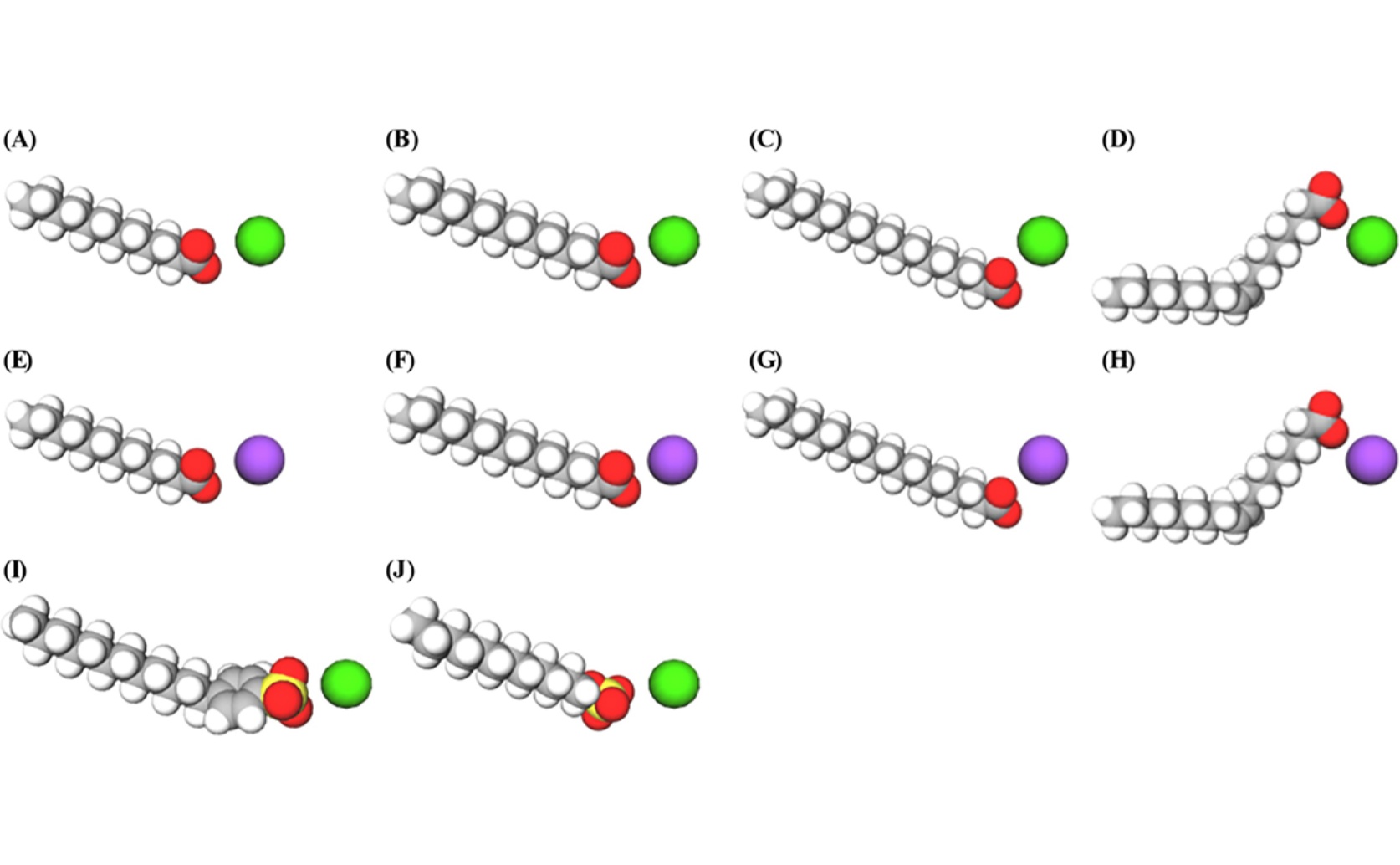
This figure displays the molecular structures of the natural fatty acid salts (a–h) and synthetic detergents, sodium dodecylbenzene sulfonate (i) and sodium lauryl sulfate (j), which were compared to demonstrate that the natural soap components are significantly less toxic and more biodegradable.

Image adapted from: Kanyama et al. / CC BY (Source)

Key Findings

  • A study by Soap Co. and academic institutions found natural soap compounds are much safer for aquatic life and break down more easily in the environment than synthetic detergents
  • Natural soap components were significantly less harmful to human skin cells, showing higher cell survival compared to common synthetic detergents like SLS
  • Beyond safety, natural soap compounds also possess strong antibacterial and antiviral properties, suggesting their usefulness in hygiene and medical settings
The increased global consumption of soaps and detergents, particularly in the wake of the COVID-19 pandemic, has brought to the forefront critical questions about their environmental impact and direct effects on human health. While essential for hygiene, many commonly used cleaning agents are synthetic, raising concerns about their biodegradability and potential toxicity. Addressing these concerns, a recent study conducted by Soap Co., Universities, Hospital, and Research Agency `[1]` investigated the properties of natural soap compounds, primarily composed of fatty acid salts, in comparison to widely used synthetic detergents like sodium dodecylbenzene sulfonate (SDB) and sodium lauryl sulfate (SLS). The study aimed to determine if natural soap compounds offer a safer alternative for both the environment and human health. To achieve this, researchers employed standard environmental assays recommended by the Organisation for Economic Co-operation and Development (OECD), which assess the impact of substances on aquatic life, specifically algae, crustaceans, and fish. Additionally, human keratinocyte assays were utilized to evaluate the compounds' toxicity and biodegradability in relation to human skin cells. Keratinocytes are the primary cells forming the outer layer of the skin, making them a relevant model for assessing skin safety. The findings from this comprehensive research `` demonstrated that the major components of natural soap, such as potassium laurate (C12K) and potassium oleate (C18:1K), were significantly less toxic and more readily biodegradable in aquatic environments compared to their synthetic counterparts. This suggests a reduced ecological footprint for natural soap compounds, meaning they break down more easily and cause less harm to aquatic ecosystems. Beyond environmental considerations, the study also focused on human safety. In human keratinocyte assays, natural soap compounds exhibited significantly lower toxicity and promoted higher cell viability compared to SLS, both after prolonged exposure (48 hours) and brief contact (5 minutes) ``. For instance, the half-maximal inhibitory concentration (IC50) – a measure of how much of a substance is needed to inhibit 50% of cell viability, with lower values indicating higher toxicity – for SLS was found to be 0.604 mM, while potassium laurate (C12K) and potassium oleate (C18:1K) had much higher IC50 values of 7.82 mM and 7.56 mM, respectively. This indicates that a significantly higher concentration of natural soap compounds is required to cause the same level of cell damage as SLS, highlighting their gentler nature. These results align with and expand upon earlier research concerning the safety of fatty acid salts for human cells. For example, previous work `[2]` showed that potassium oleate (C18:1K) maintained mouse fibroblast viability at nearly 103% compared to a control, while synthetic detergents like sodium lauryl ether sulfate (SLES) and SLS caused significant cell death, with viabilities of only 30.1% and 18.1% respectively. Fibroblasts are crucial cells involved in wound healing and tissue repair. Furthermore, an assay measuring lactate dehydrogenase (LDH) leakage, an indicator of cell membrane damage, revealed significantly lower leakage with C18:1K compared to SLES or SLS `[2]`. This consistent finding across different cell types underscores the reduced cellular toxicity of natural fatty acid salts. Further reinforcing the benefits for skin health, another study `[3]` demonstrated that human dermal cells also showed significantly greater viability when exposed to various fatty acid potassium salts, including potassium caprylate (C8), potassium laurate (C12), potassium oleate (C18:1), and potassium linoleate (C18:2), compared to SLES or SLS. This research also observed improved in vitro wound healing in human epidermal keratinocytes treated with fatty acids, suggesting that natural soap components do not impede the skin's natural repair processes. In fact, natural soap containing fatty acid potassium was shown to increase tissue blood flow in human chronic wounds, aiding in the removal of debris and promoting healing `[3]`. Beyond their safety profile, natural soap compounds also possess potent antimicrobial properties, contributing to their "potential efficiency in clinical applications" as highlighted by the main study ``. For instance, fatty acid salts are known surfactants – compounds that reduce surface tension, allowing liquids to spread more easily – and have strong antibacterial activity. A study focusing on Streptococcus mutans, a bacterium commonly associated with tooth decay, found that potassium laurate (C12K), potassium linoleate (C18:2K), and potassium linolenate (C18:3K) demonstrated high antibacterial activity, with C12K showing a minimum inhibitory concentration of 21.9 mM `[4]`. This indicates their effectiveness against specific bacterial pathogens. Moreover, the antiviral capabilities of these natural compounds have been explored. Potassium oleate (C18:1), a component of natural soap, was found to significantly reduce the infectivity of human and avian influenza viruses by four logs or more, a far greater reduction than observed with synthetic surfactants like sodium laureth sulfate (LES) and sodium lauryl sulfate (SDS) `[5]`. This antiviral action was attributed to an electrical interaction between potassium oleate and viral proteins, particularly hemagglutinin (HA) proteins, which are crucial for viral entry into host cells. In contrast, synthetic surfactants primarily interacted hydrophobically with the viral envelope, a less effective mechanism for inactivation `[5]`. This distinction is particularly relevant in the context of enveloped viruses, such as influenza and coronaviruses, suggesting a broader potential for natural soap components in hygiene and infection control. In summary, the recent research `` from Soap Co., Universities, Hospital, and Research Agency, building upon and confirming findings from prior studies `[2][3][4][5]`, strongly indicates that natural soap compounds offer a valuable alternative to synthetic detergents. Their demonstrated lower toxicity to human cells, greater biodegradability in aquatic environments, and established antibacterial and antiviral properties position them as safer and more environmentally friendly options for everyday hygiene and potential clinical applications, including wound care and infection prevention.

EnvironmentHealthSustainability

References

Main Study

1) Natural soap is clinically effective and less toxic and more biodegradable in aquatic organisms and human skin cells than synthetic detergents

Published 18th June, 2025

https://doi.org/10.1371/journal.pone.0324842


Related Studies

2) Fatty Acid Potassium Had Beneficial Bactericidal Effects and Removed Staphylococcus aureus Biofilms while Exhibiting Reduced Cytotoxicity towards Mouse Fibroblasts and Human Keratinocytes.

https://doi.org/10.3390/ijms20020312


3) Fatty acid potassium improves human dermal fibroblast viability and cytotoxicity, accelerating human epidermal keratinocyte wound healing in vitro and in human chronic wounds.

https://doi.org/10.1111/iwj.13547


4) Antibacterial Effect of Fatty Acid Salts on Oral Bacteria.

https://doi.org/10.4265/bio.20.209


5) Inactivation of human and avian influenza viruses by potassium oleate of natural soap component through exothermic interaction.

https://doi.org/10.1371/journal.pone.0204908


Related Articles

An unhandled error has occurred. Reload 🗙