
Unraveling Genetic Differences Among Populations in Two National Parks
Jim Crocker
31st May, 2025


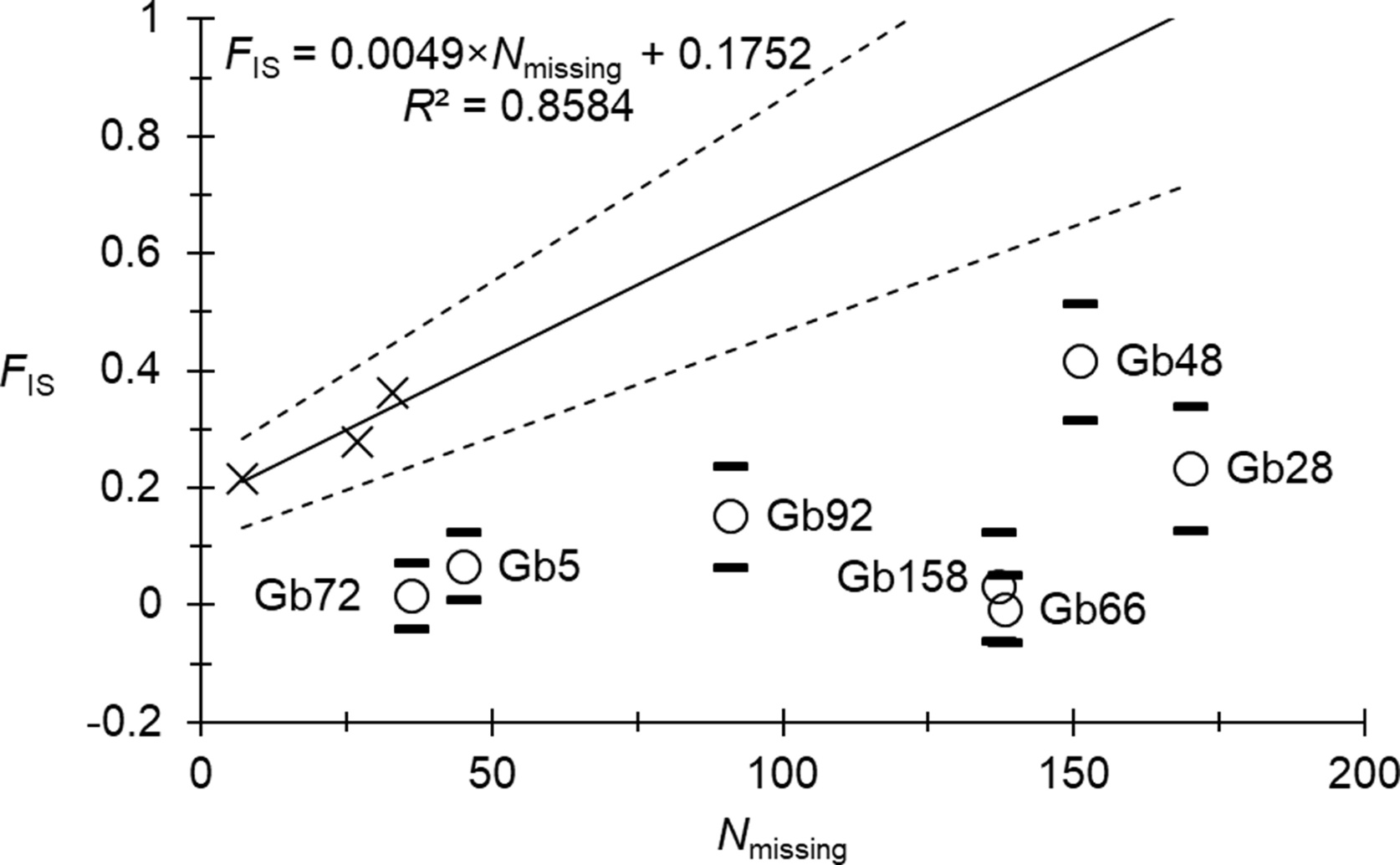
By plotting inbreeding coefficients against missing data, this analysis identifies that for most tsetse fly (Glossina brevipalpis) loci, missing genotypes were caused by PCR amplification failures rather than null alleles, a crucial quality control step that ensured accurate estimation of the significant genetic isolation between the two distant populations.
Key Findings
- In Mozambique, tsetse flies from Gorongosa and Maputo National Parks are largely genetically isolated, indicating little natural mixing over 840 km
- Occasional fly movement appears linked to human activities—like livestock transport—which could reintroduce infections and challenge control efforts
References
Main Study
1) Unravelling genetic differentiation between Glossina brevipalpis populations from two distant National Parks in Mozambique
Published 30th May, 2025
https://doi.org/10.1371/journal.pntd.0012953
Related Studies
2) Tsetse flies: genetics, evolution, and role as vectors.
3) How can tsetse population genetics contribute to African trypanosomiasis control?
4) A distribution model for Glossina brevipalpis and Glossina austeni in Southern Mozambique, Eswatini and South Africa for enhanced area-wide integrated pest management approaches.
Related Articles
 14th June, 2024 | Jenn Hoskins