Genetic Study of Mosquitoes Reveals Mixed Populations Along Coast

Greg Howard
21st May, 2025

Genetic Study of Mosquitoes Reveals Mixed Populations Along Coast
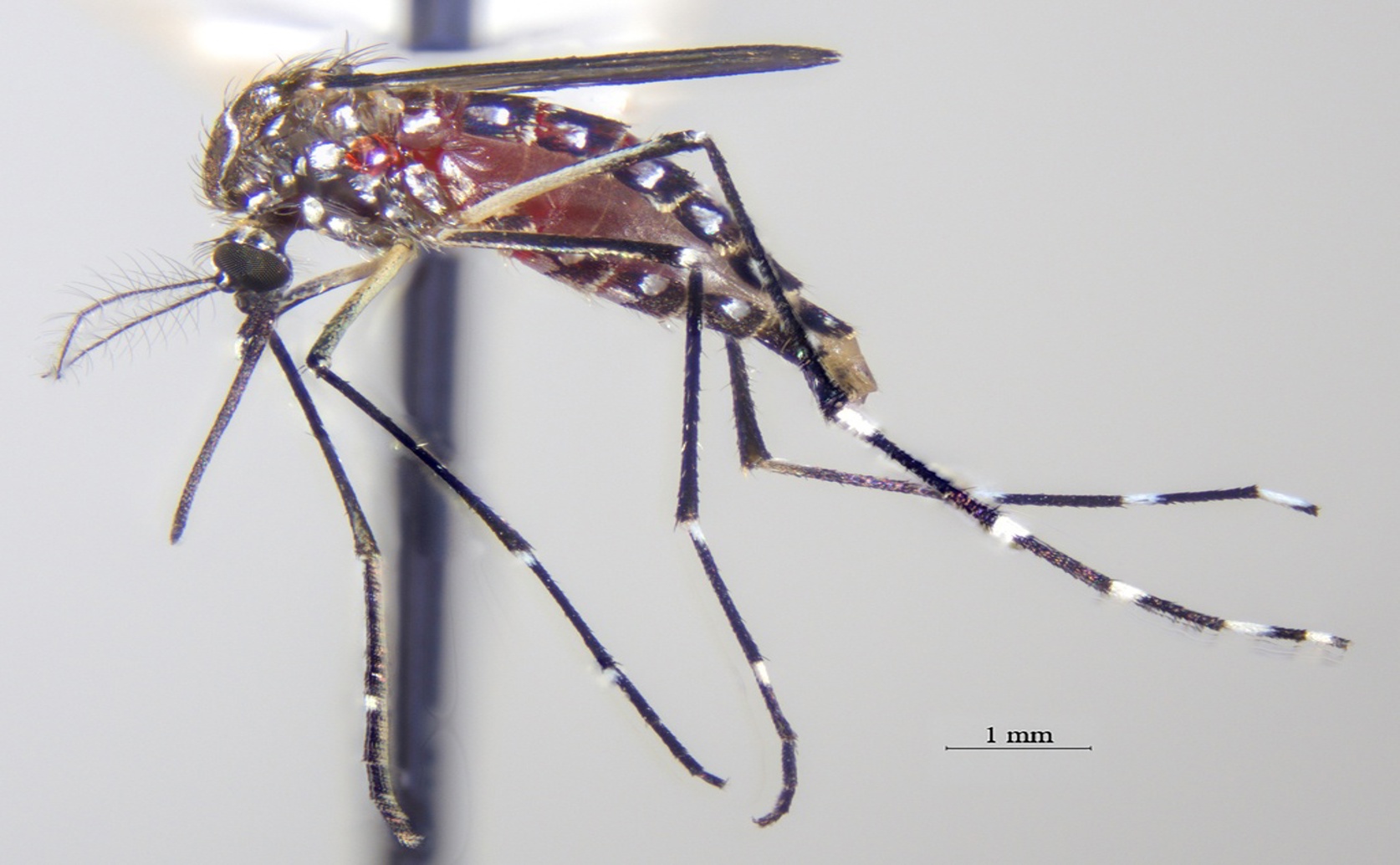
Image Source: © Natural Science News. This image is an artistic rendition.

Key Findings

  • A study in Kenya found that native Aedes aegypti mosquitoes are common in western regions, while invasive types are spreading along the coast
  • Coastal mosquito populations are mixing with invasive species, which may lead to higher risks of diseases like dengue and Zika
  • The invasive mosquitoes likely originated from Asia and are gradually expanding inland, influenced by geographical factors
Aedes aegypti mosquitoes are a primary concern in global public health due to their role in spreading diseases like dengue, chikungunya, and Zika. These mosquitoes thrive in tropical and subtropical regions, but their range is expanding rapidly, increasing the regions at risk for these diseases. Understanding the distribution and genetic makeup of Aedes aegypti populations is crucial for effective disease control and prevention. Recent research conducted by the Kenya Medical Research Institute[1] has shed new light on the genetic structure of Aedes aegypti populations in Kenya. The study focused on two subspecies of Aedes aegypti: the invasive Aedes aegypti aegypti (Aaa) and the ancestral Aedes aegypti formosus (Aaf). While Aaf is prevalent across Kenya, Aaa has historically been limited to coastal areas but is now spreading inland. This expansion raises concerns about increased disease transmission as Aaa is more adept at living in human environments and has a higher capacity to spread viruses. The researchers collected adult mosquitoes from various cities and towns along Kenya's northern transport corridor using Biogent (BG) sentinel traps baited with carbon dioxide. They analyzed the genetic diversity and population structure of these mosquitoes using genome-wide single nucleotide polymorphism (SNP) datasets. By comparing the Kenyan mosquitoes with a global database, the study aimed to place Kenyan populations within a broader phylogenetic context. The findings revealed that western Kenya's Aedes aegypti populations are genetically similar to the African Aaf, indicating limited influence from the invasive Aaa. In contrast, coastal populations showed significant genetic mixing between Aaa and Aaf, suggesting that Aaa is successfully establishing itself in these areas. Additionally, there was a strong correlation between genetic distance and geographic distance, meaning that mosquitoes from nearby regions are more genetically similar than those from distant areas. This pattern, known as isolation by distance, indicates that the spread of Aaa is gradual and influenced by geographic barriers. Phylogenetic analysis suggested that the source of the Aaa invasion into Kenya is likely from Asian populations. This aligns with global trends where increased travel and trade facilitate the movement of Aedes aegypti across continents[2]. The admixture of Aaa into Kenyan mosquito populations could enhance their ability to transmit viruses. Aaa mosquitoes prefer feeding on humans and are more efficient vectors compared to Aaf[3]. This shift could lead to higher biting rates and greater virus transmission, contributing to outbreaks of dengue and chikungunya. Previous studies have highlighted factors driving the spread of Aedes aegypti, including urbanization, globalization, and ineffective mosquito control measures[4]. The current study builds on this knowledge by providing detailed genetic insights into how these mosquitoes are adapting and expanding within Kenya. Understanding the genetic makeup of mosquito populations helps predict their behavior and potential for disease transmission, which is essential for developing targeted control strategies. Moreover, research has shown that Aedes aegypti's ability to adapt to various breeding sites, including artificial containers, plays a significant role in their proliferation[5]. The flexibility of Aaa to thrive in human-made environments makes them particularly effective at sustaining large populations in urban areas. The admixture of Aaa traits into Kenyan populations could further enhance their adaptability and resilience, making control efforts more challenging. The Kenya Medical Research Institute’s study utilized advanced genetic tools to map the distribution and genetic diversity of Aedes aegypti, providing a comprehensive understanding of their current spread and potential future expansion. By identifying regions where Aaa is becoming more prevalent, public health authorities can prioritize interventions in these areas to prevent disease outbreaks. Strategies might include targeted mosquito control measures, public education campaigns, and surveillance programs to monitor mosquito populations and virus transmission. In conclusion, the emergence of admixed Aedes aegypti populations in coastal Kenya represents a significant development in the fight against mosquito-borne diseases. The integration of genetic data with geographical analysis offers valuable insights into how these mosquitoes are spreading and adapting. Continued research and collaboration between institutions like the Kenya Medical Research Institute and global partners are essential to stay ahead of the evolving threat posed by Aedes aegypti and to protect public health effectively.

GeneticsAnimal ScienceEvolution

References

Main Study

1) Population genetic analysis of Aedes aegypti reveals evidence of emerging admixture populations in coastal Kenya

Published 20th May, 2025

https://doi.org/10.1371/journal.pntd.0013041


Related Studies

2) The global distribution of the arbovirus vectors Aedes aegypti and Ae. albopictus.

https://doi.org/10.7554/eLife.08347


3) The distinctive bionomics of Aedes aegypti populations in Africa.

https://doi.org/10.1016/j.cois.2022.100986


4) Dengue, Urbanization and Globalization: The Unholy Trinity of the 21(st) Century.

https://doi.org/10.2149/tmh.2011-S05


5) Larval sites of the mosquito Aedes aegypti formosus in forest and domestic habitats in Africa and the potential association with oviposition evolution.

https://doi.org/10.1002/ece3.8332


Related Articles

An unhandled error has occurred. Reload 🗙