Feed Levels and Protein Sources for Cattle During the Rainy Season

Jenn Hoskins
23rd April, 2025

Feed Levels and Protein Sources for Cattle During the Rainy Season
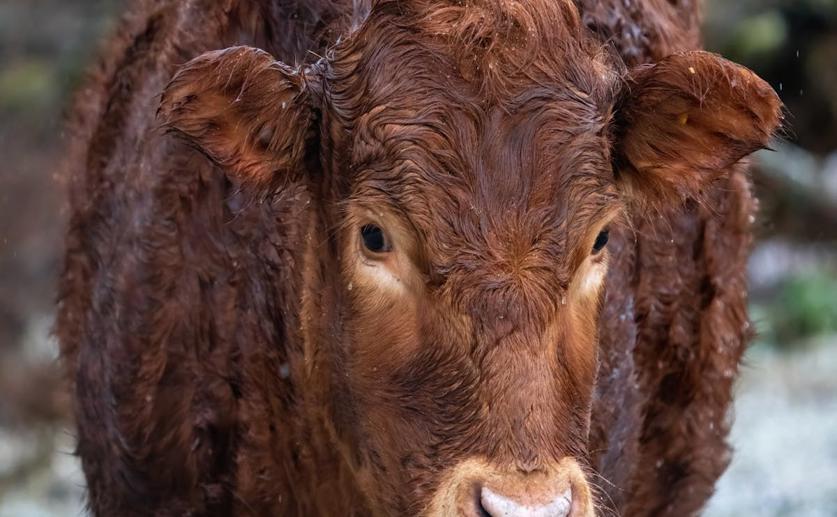
Image Source: Adi K (photographer)

Key Findings

  • In Mato Grosso, Brazil, researchers found that specific feed supplements help beef cattle thrive on pastures during the rainy season
  • Cattle given higher supplement levels ate less grass but grew just as well, allowing farmers to lower feeding costs
  • A cost-effective protein source, DDGS, was as effective as traditional soybean meal, providing a sustainable feeding option
Beef cattle farming on pastures during the rainy season presents unique challenges and opportunities for enhancing productivity. Effective nutritional strategies are crucial for optimizing animal performance and farm profitability. A recent study conducted by researchers at Universidade Federal de Mato Grosso[1] explores how different levels of concentrate supplements and protein sources affect the intensification of beef cattle farming on pastures dominated by Mombaça grass. The study involved eighty male cattle randomly distributed across sixteen paddocks, each containing five animals. The researchers tested two levels of concentrate (LC) supplementation—low and high—and two protein sources: dried distillers’ grains with solubles (DDGS) and soybean meal (SBM). This 2 × 2 factorial design allowed for a comprehensive analysis of how these variables interact to influence both the forage and the cattle. One of the key findings was that the forage characteristics varied with the level of concentrate supplementation. Specifically, lower levels of concentrate resulted in taller forage, while higher levels increased the proportion of leaves and the leaf-to-stem ratio. This indicates that higher concentrate levels may improve the quality of the pasture, making it more nutritious for the cattle. These results align with previous research[2], which found that higher levels of concentrates led to increased animal performance and productivity. Interestingly, the study found that cattle receiving the highest level of concentrate consumed more supplement but less pasture. Despite this reduced pasture intake, the average daily gain (ADG) of the animals did not differ significantly between the low and high concentrate groups. Both groups achieved an ADG of approximately 0.97 kg per day, suggesting that the lower level of supplementation is sufficient to maintain growth rates while reducing feed costs. This finding is consistent with economic evaluations from earlier studies[3], which highlighted that lower supplementation levels can enhance profitability without compromising animal performance. Another important aspect of the study was the comparison between DDGS and SBM as protein sources. The results showed that replacing SBM with DDGS did not negatively impact animal performance, nitrogen balance, or methane emissions. Cattle supplemented with DDGS performed on par with those receiving SBM, and there were no significant differences in methane production among the treatments. This supports the findings of previous research[4], which demonstrated that DDGS is a viable alternative to traditional protein sources like SBM in beef cattle diets. The ability to substitute SBM with DDGS offers practical benefits for farmers. DDGS is often more cost-effective and readily available in certain regions, which can reduce the overall cost of supplementation. Additionally, using DDGS can contribute to more sustainable farming practices by utilizing by-products from the ethanol industry, thereby reducing waste. The study also examined the structural and chemical characteristics of the forage, finding that higher concentrate levels improved the leaf-to-stem ratio and leaf proportion, which are indicators of forage quality. Improved forage quality can lead to better nutrient intake and overall animal health, further supporting the use of higher concentrate levels in supplementation strategies. These findings build on earlier studies[2][3], which emphasized the importance of forage quality in enhancing cattle productivity and farm profitability. Serum parameters of the supplemented animals were also evaluated, although the study did not report significant differences between the different nutritional strategies. This suggests that both supplementation levels and protein sources were effective in meeting the nutritional needs of the cattle without causing adverse health effects. Maintaining optimal health is crucial for sustained productivity and profitability in beef cattle farming. Overall, the study by Universidade Federal de Mato Grosso provides valuable insights into the optimization of beef cattle nutrition during the rainy season. By demonstrating that a lower level of concentrate supplementation combined with DDGS as a protein source can effectively support cattle growth and productivity, the research offers practical recommendations for farmers seeking to intensify their beef production on pastures. These strategies not only enhance animal performance but also contribute to economic and environmental sustainability. In conclusion, the integration of these findings with previous research underscores the importance of tailored nutritional strategies in beef cattle farming. Higher levels of concentrates improve forage quality and animal performance, while the substitution of SBM with DDGS offers a cost-effective and sustainable protein source. These insights collectively support the development of more efficient and profitable beef cattle farming practices during the rainy season.

AgricultureEcologyAnimal Science

References

Main Study

1) Levels of concentrates and protein sources in intensive pasture-based beef cattle rearing during the rainy season in the Amazon biome

Published 21st April, 2025

https://doi.org/10.1371/journal.pone.0320629


Related Studies

2) Intensively Reared Nelore Steers with Levels of Concentrate and Protein Sources during the Dry Season.

https://doi.org/10.3390/ani14121787


3) Economic evaluation from beef cattle production industry with intensification in Brazil's tropical pastures.

https://doi.org/10.1007/s11250-020-02304-8


4) Effects of supplementation with corn distillers' dried grains on animal performance, nitrogen balance, and enteric CH4 emissions of young Nellore bulls fed a high-tropical forage diet.

https://doi.org/10.1016/j.animal.2020.100155


Related Articles

An unhandled error has occurred. Reload 🗙