Parasites Reveal Fish in Diet of Iron Age Herding Communities

Jenn Hoskins
11th October, 2024

Parasites Reveal Fish in Diet of Iron Age Herding Communities

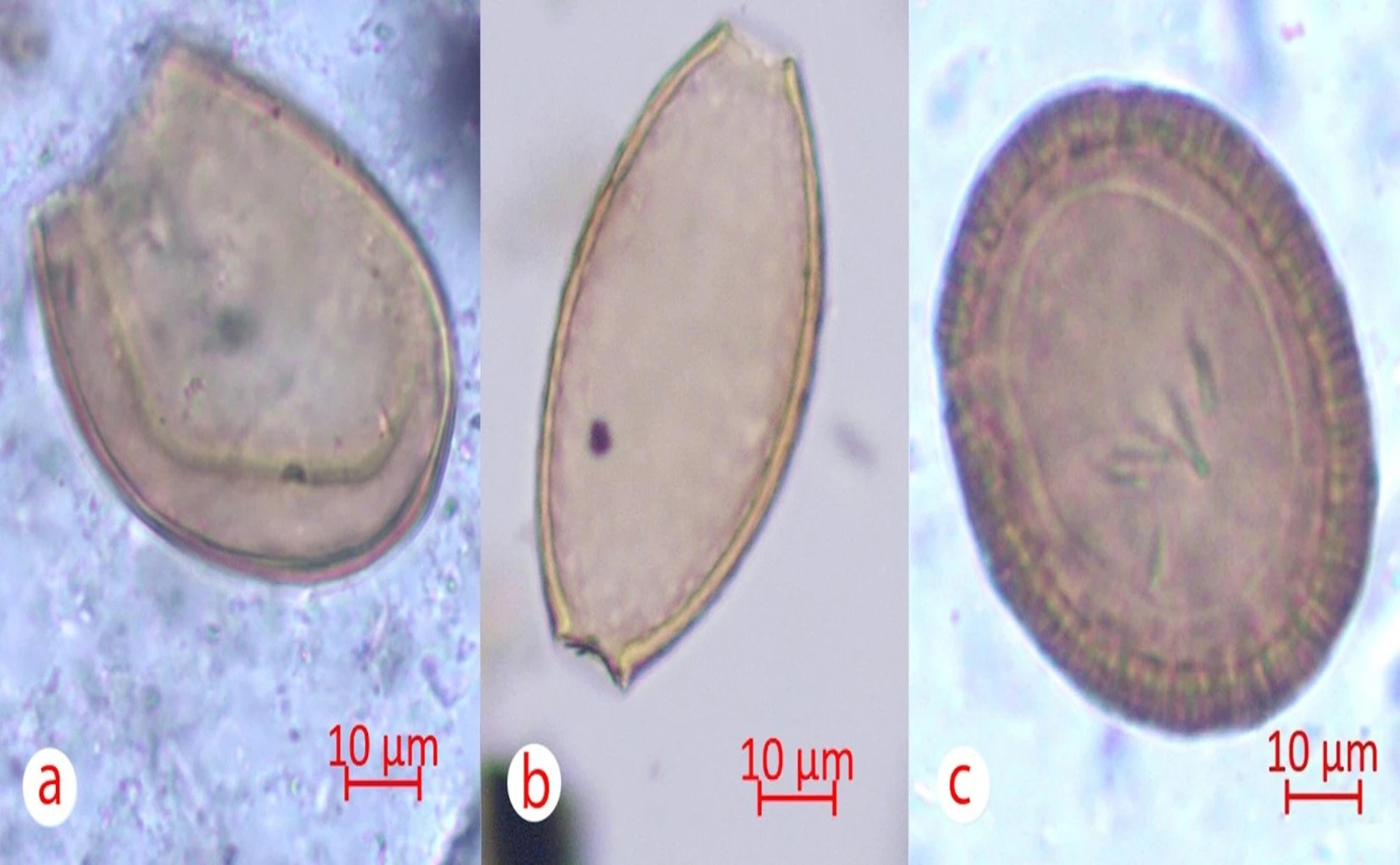
The discovery of parasite eggs from Dibothriocephalus sp. (a), human whipworm (Trichuris trichiura) (b), and Taenia sp. (c) provides direct evidence that the diet of these Iron Age pastoralists included undercooked fish and beef, while also indicating poor sanitary conditions.

Image adapted from: Slepchenko et al. / CC BY (Source)

Key Findings

  • The study from the Tyumen Scientific Center in Siberia found that Iron Age pastoralists had a diverse diet including beef and freshwater fish, sometimes consumed raw or undercooked
  • The presence of helminth eggs in soil samples indicates poor sanitary conditions, suggesting the consumption of contaminated plant foods and water
  • These findings challenge the simplistic view of pastoralism, showing a more complex and adaptive economic system among prehistoric Siberian communities
The subsistence economies of prehistoric pastoralists in the Eurasian steppes have historically been oversimplified as primarily reliant on domesticated animals. However, recent scientific analyses have begun to change this view, revealing a more complex and adaptive economic system. A new study conducted by the Tyumen Scientific Center, Siberian Branch of the Russian Academy of Sciences, provides significant insights into the dietary practices of Iron Age pastoralists in Siberia through archaeoparasitological analysis[1]. The study focused on soil samples from the Tunnug 1 site in southern Siberia, revealing the presence of helminth eggs from Taenia sp. (likely), Trichuris sp., and Dibothriocephalus sp. This discovery indicates that the diet of the prehistoric population included beef and freshwater fish, occasionally consumed in undercooked or raw form. The presence of these parasites suggests a more diverse diet than previously thought, challenging the simplistic model of pastoralism. This new evidence complements earlier findings from the region. For instance, research on the Late Bronze and Iron Age pastoralism in Northwest China demonstrated a multipurpose caprine management supplemented by limited exploitation of cattle, horses, and dogs, along with some hunting activities[2]. This indicates that pastoral economies were more complex and varied than traditionally believed. The Tunnug 1 study also highlights poor sanitary conditions, as evidenced by the presence of Trichuris sp. eggs. These parasites suggest the consumption of contaminated plant foods and drinking water contaminated with feces. Such findings point to the challenges faced by these communities in maintaining hygiene and preventing disease. The integration of archaeoparasitology with other scientific methods, such as isotopic analyses, provides a more nuanced understanding of subsistence strategies. This approach aligns with previous studies on the architecture of the Early Iron Age royal burial mound Tunnug 1, which utilized a combination of remote sensing data, geoelectric resistivity, geomagnetic surveys, and photogrammetry to explore the complex funerary architecture[3]. These interdisciplinary methods offer a comprehensive view of the past, revealing the intricate social and economic structures of these communities. Furthermore, the study adds to the understanding of violence and political instability in the region. Previous research on perimortem trauma at Tunnug 1 indicated a high frequency of violent injuries, particularly among males, during the first centuries CE[4]. This period of political turmoil likely influenced the dietary practices and overall lifestyle of the pastoralists, as they adapted to changing environmental and social conditions. In summary, the new study from the Tyumen Scientific Center underscores the economic flexibility and adaptive heterogeneity of Iron Age pastoralists in Siberia. By providing direct evidence of diverse dietary practices, including the consumption of freshwater fish and the challenges of maintaining sanitary conditions, the research offers a more complex and accurate picture of prehistoric subsistence economies. This study, along with previous findings, highlights the importance of integrating multiple scientific approaches to uncover the rich and varied history of human societies in the Eurasian steppes.

Animal ScienceMarine BiologyEvolution

References

Main Study

1) Parasites provide evidence for fish consumption among Iron Age Siberian pastoralists.

Published 9th October, 2024

https://doi.org/10.1038/s41598-024-74284-w


Related Studies

2) New evidence for regional pastoral practice and social complexity in the Eastern Tianshan Mountains in the first millennium BCE.

https://doi.org/10.1038/s41598-023-31489-9


3) Integrating Remote Sensing and Geophysics for Exploring Early Nomadic Funerary Architecture in the "Siberian Valley of the Kings".

https://doi.org/10.3390/s19143074


4) Troubles in Tuva: Patterns of perimortem trauma in a nomadic community from Southern Siberia (second to fourth c. CE).

https://doi.org/10.1002/ajpa.24142


Related Articles

An unhandled error has occurred. Reload 🗙