How Chia Seeds Improve Plant-Based Meat Alternatives

Jenn Hoskins
16th January, 2024

How Chia Seeds Improve Plant-Based Meat Alternatives

Chia seed (a), whole chia flour (b), partially defatted chia flour (c), chia oil (d), and freeze-dried chia mucilage (e).

Image adapted from: Senna et al. / CC BY (Source)
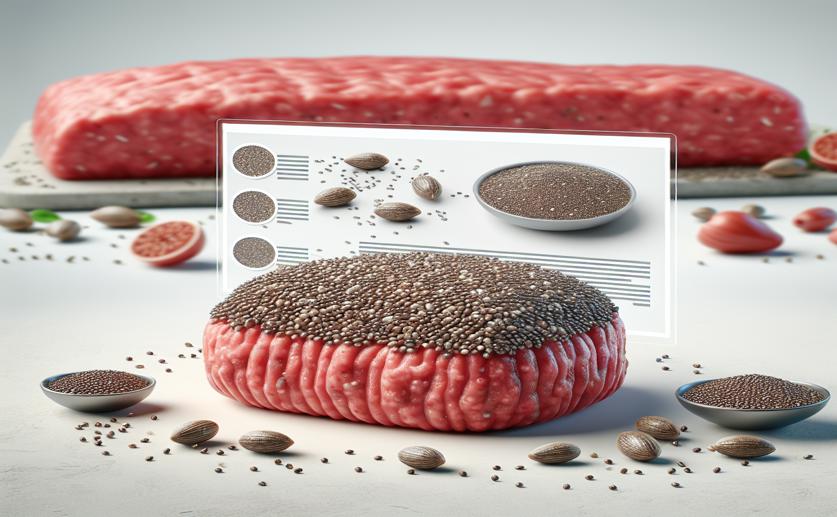
Growing concerns about the environmental impact of meat production, alongside ethical and health considerations, are driving demand for meat alternatives. These alternatives, known as meat analogs, aim to replicate the taste and texture of conventional meat[2]. Currently, many meat analogs rely heavily on soy as a primary protein source[3], but researchers are actively exploring other plant-based ingredients to improve nutritional profiles and broaden options. A recent review conducted by researchers at the Federal University of Rio Grande[1] focuses on the potential of chia seeds – and components derived from them – as a valuable ingredient in developing the next generation of meat analogs. The study highlights that chia seeds offer a unique combination of proteins, lipids (fats), and fibers, making them a promising functional ingredient. Unlike simply seeking a protein replacement, the research emphasizes utilizing the entire chia seed – the seed itself, and the fractions obtained after processing – to maximize both nutritional benefits and the technical properties needed to mimic meat. Chia seeds contain a significant amount of protein, crucial for building the structure of meat analogs. However, the study goes beyond protein content, examining chia oil. This oil is rich in polyunsaturated fatty acids, beneficial fats often lacking in sufficient quantities in typical diets. Incorporating chia oil into meat analog formulations, particularly in emulsions (mixtures of oil and water), not only boosts nutritional value but also helps maintain the desired texture and stability of the product. Further processing of chia seeds yields defatted chia flour, which is itself high in protein. This flour also contains chia mucilage, a substance with exceptional emulsification capacity. Emulsification is key to creating the texture of many meat products, and the study suggests chia mucilage could be a highly effective ingredient in meat analogs, contributing to a more meat-like feel. This research builds upon the existing understanding of plant-based meat alternatives[2][4]. While earlier work focused on ingredients like soy and mycoprotein, and the challenges of replicating meat’s texture and taste, this review specifically investigates a less explored ingredient – chia. The emphasis on utilizing all parts of the chia seed aligns with the trend identified in recent research of optimizing ingredient functionality, even if those ingredients weren’t originally intended for meat analog applications[4]. Instead of solely focusing on purity or solubility, the study prioritizes how chia and its components function within a meat analog formulation. The potential benefits of diversifying protein sources are also relevant. While soy has been a staple in vegetarian diets for decades[3], concerns regarding its potential health effects, particularly related to phytoestrogens, continue to be debated. Exploring alternatives like chia seeds offers a way to address these concerns and provide consumers with a wider range of options. The study doesn’t necessarily dismiss soy, but positions chia as a complementary ingredient that could contribute to more diverse and potentially healthier meat analogs. The research doesn’t present new experimental data, but rather a comprehensive review of existing literature. It consolidates current knowledge about chia seeds and their fractions, demonstrating their strategic potential for meat analog development. This type of review is valuable because it identifies gaps in research and highlights areas where further investigation is needed to fully unlock the potential of chia in the growing market for meat alternatives.

NutritionHealthPlant Science

References

Main Study

1) The Techno-Functionality of Chia Seed and Its Fractions as Ingredients for Meat Analogs.

Published 16th January, 2024

https://doi.org/10.3390/molecules29020440


Related Studies

2) Meat analog as future food: a review.

https://doi.org/10.5187/jast.2020.62.2.111


3) Soy, Soy Foods and Their Role in Vegetarian Diets.

https://doi.org/10.3390/nu10010043


4) Functionality of Ingredients and Additives in Plant-Based Meat Analogues.

https://doi.org/10.3390/foods10030600


Related Articles

An unhandled error has occurred. Reload 🗙