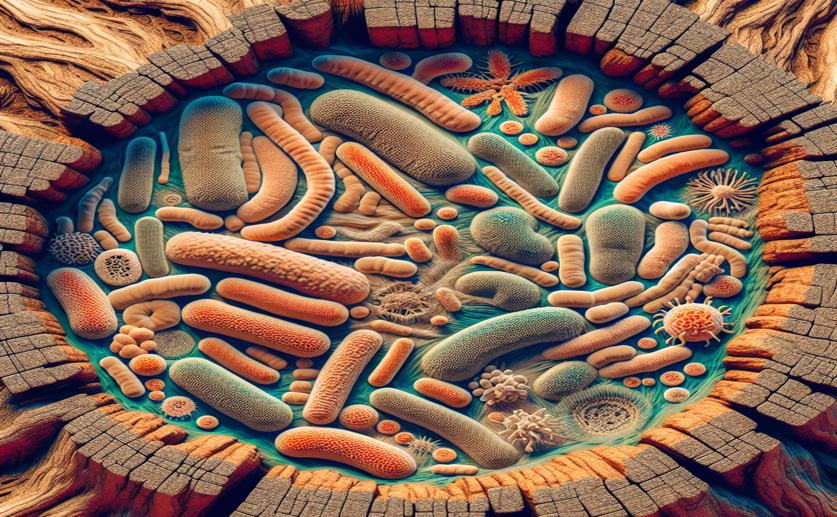
Variety of Bacteria Living Inside Farming Trees in Kenya

Jim Crocker
9th February, 2024

Variety of Bacteria Living Inside Farming Trees in Kenya

Total and Percentage bacterial endophytes recovered from roots, stems and leaves, of L. diversifolia, C. calothyrsus and S. sesban

Table source: Emitaro et al. / CC BY (Source)
Plant roots and tissues aren’t sterile; they host a complex community of microorganisms, including bacteria, known as endophytes. These bacteria live inside plants without causing disease, and often provide benefits to their host, such as increased tolerance to stress or improved growth. While endophytes have been studied in many plant species, their diversity within leguminous plants – a family including important crops like beans, peas, and lentils – remains relatively unexplored. Understanding this diversity is crucial for potentially harnessing these bacteria for agricultural improvements. Researchers at Jaramogi Oginga Odinga University of Science and Technology[1] investigated the bacterial endophytes present in three leguminous tree species common in western Kenya: Sesbania sesban, Leucaena diversifolia, and Calliandra calothyrsus. These trees are often used in agroforestry systems, which integrate trees and shrubs into agricultural landscapes, and are known for their ability to thrive in challenging environments. The study aimed to identify the types of bacteria living within these trees and to understand how their distribution varies between different plant parts – leaves, stems, and roots. The researchers collected samples from these trees and isolated 27 different bacterial strains. They then characterized these strains based on their physical characteristics (shape and Gram stain – a method to differentiate bacteria based on their cell wall structure) and, crucially, by analyzing their genetic material. Specifically, they sequenced a gene called 16S rRNA, which is a common ‘barcode’ used to identify bacteria. This genetic analysis revealed a surprisingly high diversity of bacterial genera. The most abundant genus identified was Bacillus, representing 33.3% of the isolates, and notably, Bacillus species were found within all three tree species examined. Other common genera included Staphylococcus (22.2%), Alcaligens and Pantoea (both 11.1%), and several others present in smaller proportions. This finding highlights the potential for a wide range of beneficial interactions between leguminous plants and their endophytic bacterial communities. This study builds upon earlier work demonstrating the potential of bacterial endophytes as biological control agents. For example, research has shown that certain Bacillus species isolated from tomato plants can kill root-knot nematodes, microscopic worms that damage plant roots[2]. The presence of Bacillus across all three tree species in the Kenyan study suggests this genus may play a broadly important role in plant health. Similarly, studies on chickpeas have identified Mesorhizobium as a dominant genus among root-associated endophytes, highlighting the importance of this bacterial group in leguminous plants and their ability to fix nitrogen, a crucial nutrient for plant growth[3]. Furthermore, research has demonstrated that endophytic bacteria can promote plant growth, particularly under stressful conditions like high salinity[4]. The diversity of genera identified in the Kenyan study – including those known for plant growth-promoting traits like producing hormones or solubilizing phosphate – suggests these endophytes could contribute to the resilience of these trees in challenging environments. The ability of endophytes to improve stress tolerance is particularly relevant given the increasing impacts of climate change and environmental degradation. The fact that the study isolated bacteria from leaves, stems and roots is also important, as different plant parts offer different niches and may harbor distinct bacterial communities. The findings from this study contribute to a growing body of evidence supporting the importance of endophytes in plant health and resilience. By documenting the diversity of bacterial endophytes in these Kenyan leguminous trees, the researchers have provided a valuable resource for future studies aimed at harnessing these microorganisms for sustainable agriculture and environmental management.

AgricultureBiotechPlant Science

References

Main Study

1) Diversity of endophytic bacteria isolated from leguminous agroforestry trees in western Kenya.

Published 8th February, 2024

https://doi.org/10.1186/s13568-024-01676-6


Related Studies

2) Isolation and characterization of endophytic bacteria from tomato foliage and their in vitro efficacy against root-knot nematodes.

https://doi.org/10.21307/jofnem-2021-104


3) Phenotypic and Genotypic Diversity Among Symbiotic and Non-symbiotic Bacteria Present in Chickpea Nodules in Morocco.

https://doi.org/10.3389/fmicb.2019.01885


4) Mediterranean Native Leguminous Plants: A Reservoir of Endophytic Bacteria with Potential to Enhance Chickpea Growth under Stress Conditions.

https://doi.org/10.3390/microorganisms7100392


Related Articles

An unhandled error has occurred. Reload 🗙