Green-Made Silver Particles: Triple Threat Against Bacteria, Oxidation, and Cancer

Phil Stevens
24th January, 2024

Green-Made Silver Particles: Triple Threat Against Bacteria, Oxidation, and Cancer

Grand viburnum (Viburnum grandiflorum), the source of the silver nanoparticles used in the study.

Photographer: Jean-Paul Boerekamps
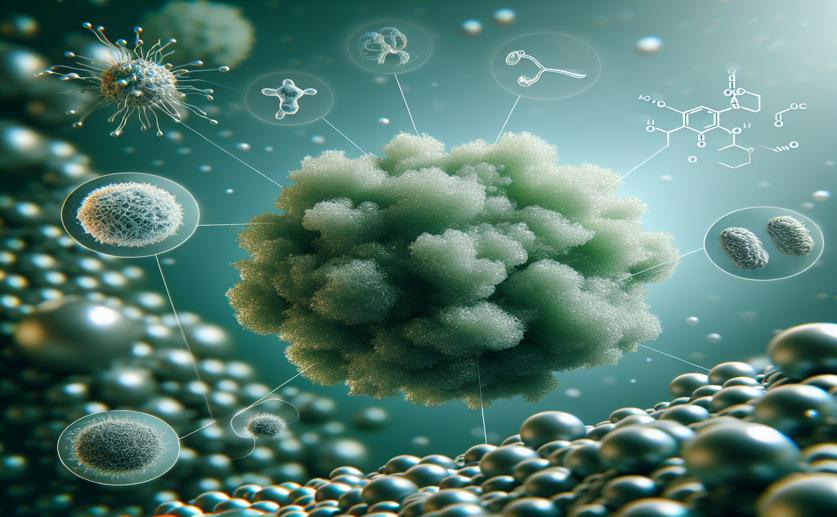
The rise of bacteria resistant to antibiotics and the ongoing challenge of treating cancers demand new approaches to healthcare. Researchers at the University of Poonch Rawalakot have been investigating silver nanoparticles (AgNPs) as a potential solution, focusing on a ‘green’ method of creating them using plant extracts[1]. This approach aims to produce nanoparticles that are both effective and environmentally friendly. Silver nanoparticles are attracting significant attention due to their diverse applications, but their potential toxicity is also a concern[2]. Earlier research has shown that the properties of AgNPs – their size, shape, and how they interact with biological systems – can impact their effects on cells, sometimes disrupting essential functions like energy production within mitochondria[2]. However, other studies have demonstrated that AgNPs can be synthesized using natural sources, like plant extracts, offering a potentially safer and more biocompatible alternative[3]. These ‘biosynthesized’ AgNPs have shown promise as anticancer agents, even exhibiting a better safety profile than some traditional chemotherapy drugs[3]. The recent study explored using extracts from the leaves of Viburnum grandiflorum to create AgNPs. The process involves allowing the plant extract to interact with silver ions, resulting in the formation of nanoparticles. Two types of extract were used: one made with water (aqueous) and another using methanol, a type of alcohol. Researchers then carefully analyzed the resulting nanoparticles to determine their size, shape, and crystalline structure using techniques like UV-visible spectroscopy, scanning electron microscopy, and X-ray diffraction. The analysis revealed that the methanol extract produced smaller AgNPs (12.28 nanometers) compared to the aqueous extract (17.77 nanometers). Both sets of nanoparticles were roughly circular in shape and had a crystalline structure, meaning their atoms were arranged in a regular, repeating pattern. Importantly, both types of AgNPs demonstrated significant antibacterial activity against common bacteria, including Pseudomonas aeruginosa (a gram-negative bacterium) and Staphylococcus aureus (a gram-positive bacterium). The methanol extract-derived AgNPs were particularly effective against P. aeruginosa, inhibiting its growth more strongly. Beyond their antibacterial properties, the AgNPs also exhibited antioxidant activity, meaning they could neutralize harmful molecules called free radicals. Again, the methanol extract-derived AgNPs showed the strongest antioxidant effect. Furthermore, the nanoparticles demonstrated the ability to kill cancer cells, specifically those from a type of muscle cancer called rhabdomyosarcoma. The methanol extract-derived AgNPs were more potent in killing these cancer cells, requiring a lower concentration to achieve the same effect. The study’s findings build upon previous work showing that plant extracts contain compounds that can help in the formation of stable silver nanoparticles[3]. These compounds likely play a role in controlling the size and shape of the nanoparticles during the biosynthesis process. The observed antibacterial activity aligns with the broader understanding of silver’s antimicrobial properties[4], while the antioxidant and anticancer effects suggest a potential for these AgNPs in therapeutic applications. The fact that AgNPs can induce DNA damage and cell cycle arrest in cancer cells, as seen in other studies[5], could explain their cytotoxic effects. The researchers concluded that the methanol extract of Viburnum grandiflorum leaves is a promising source for creating AgNPs with strong antibacterial, antioxidant, and anticancer properties. This suggests a potential for these nanoparticles to be used in a variety of biomedical applications, offering a new avenue for combating drug-resistant bacteria and developing more effective cancer treatments.

MedicineBiotechPlant Science

References

Main Study

1) Antibacterial, antioxidant, and anticancer potential of green fabricated silver nanoparticles made from Viburnum grandiflorum leaf extract.

Published 22nd January, 2024

https://doi.org/10.1186/s40529-024-00411-5


Related Studies

2) A systematic review on silver nanoparticles-induced cytotoxicity: Physicochemical properties and perspectives.

https://doi.org/10.1016/j.jare.2017.10.008


3) Eco-friendly green synthesis of silver nanoparticles and their potential applications as antioxidant and anticancer agents.

https://doi.org/10.1080/03639045.2019.1656224


4) Biomedical Applications of Silver Nanoparticles: An Up-to-Date Overview.

https://doi.org/10.3390/nano8090681


5) Cytotoxicity and genotoxicity of silver nanoparticles in human cells.

https://doi.org/10.1021/nn800596w


Related Articles

An unhandled error has occurred. Reload 🗙