
Tooth Renewal in Early Herbivorous Dinosaurs and Its Evolution
Jim Crocker
17th April, 2024


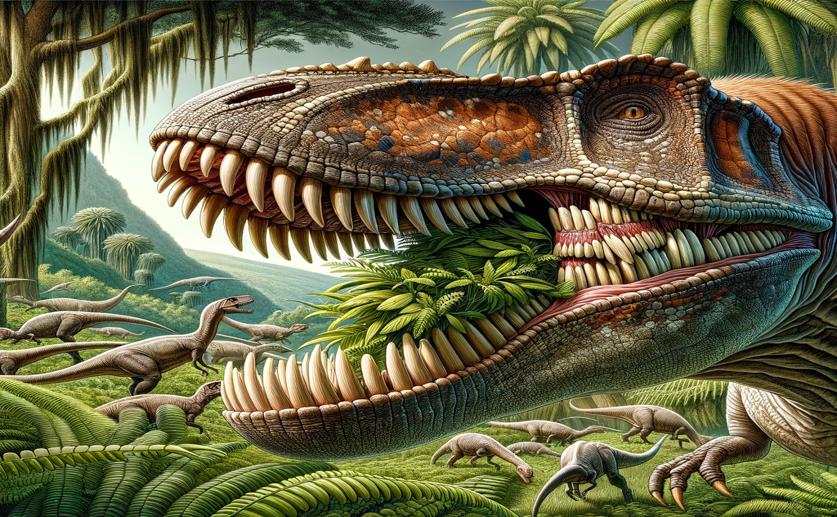
This series of skulls (a–f), representing different growth stages of Jeholosaurus, demonstrates that the number of tooth positions and replacement teeth increased as the dinosaur grew from a juvenile to a subadult.
Key Findings
- In China, a study on Jeholosaurus revealed a unique, slow tooth replacement pattern unlike other herbivorous dinosaurs
- Jeholosaurus had a less systematic process of tooth replacement, suggesting varied diets and ecological roles among early herbivores
- Advanced imaging techniques showed how Jeholosaurus teeth were anchored, aiding our understanding of dinosaur dental evolution
References
Main Study
1) Tooth replacement in the early-diverging neornithischian Jeholosaurus shangyuanensis and implications for dental evolution and herbivorous adaptation in Ornithischia
Published 16th April, 2024
https://doi.org/10.1186/s12862-024-02233-2
Related Studies
2) Repeated Evolution of Divergent Modes of Herbivory in Non-avian Dinosaurs.
3) Herbivorous dinosaur jaw disparity and its relationship to extrinsic evolutionary drivers.
4) Wear biomechanics in the slicing dentition of the giant horned dinosaur Triceratops.
Related Articles
 26th March, 2024 | Greg Howard